 CodeWorkshop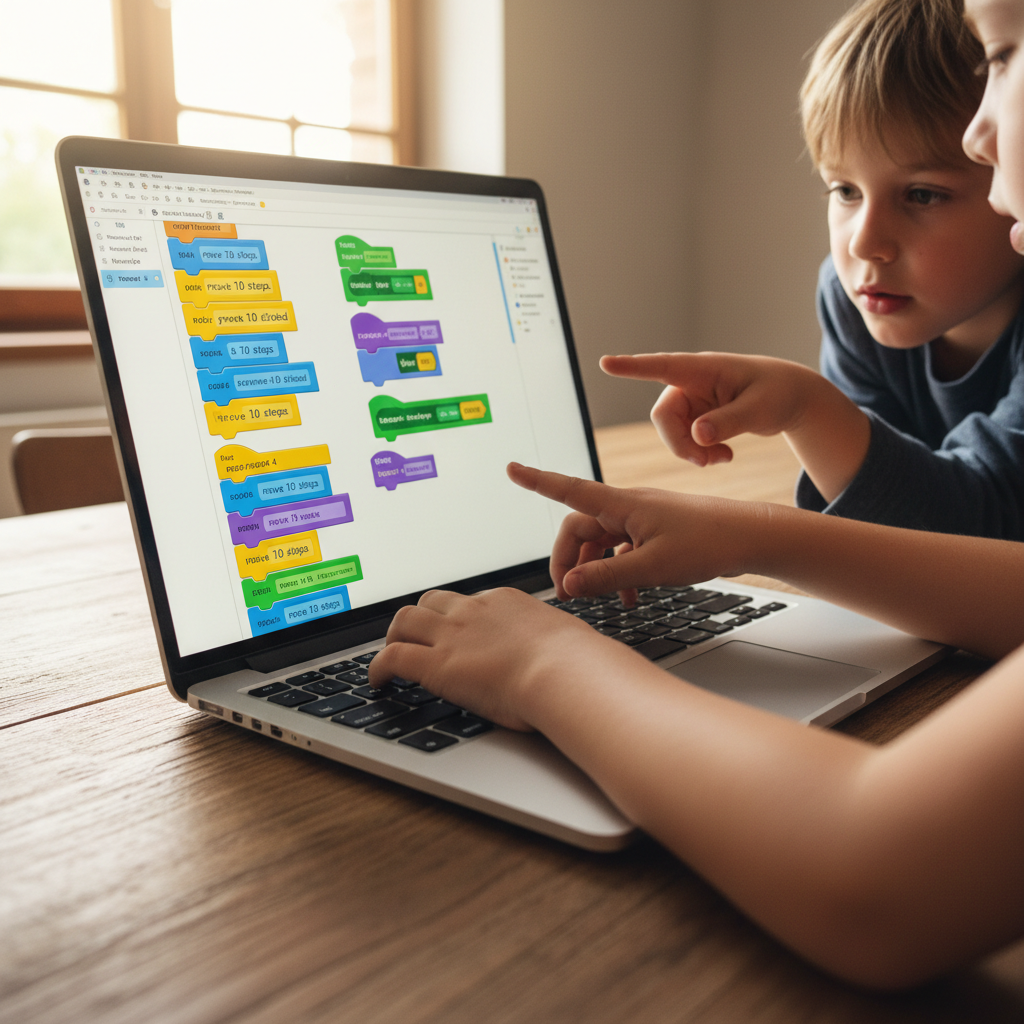
of kids ask to come back the following week
They don't justlearn to code —they learn to build worlds.
Flip through the morning.
Every session has its own rhythm — arrivals, breakthroughs, snack debates, and that last-minute bug fix two minutes before demo time.
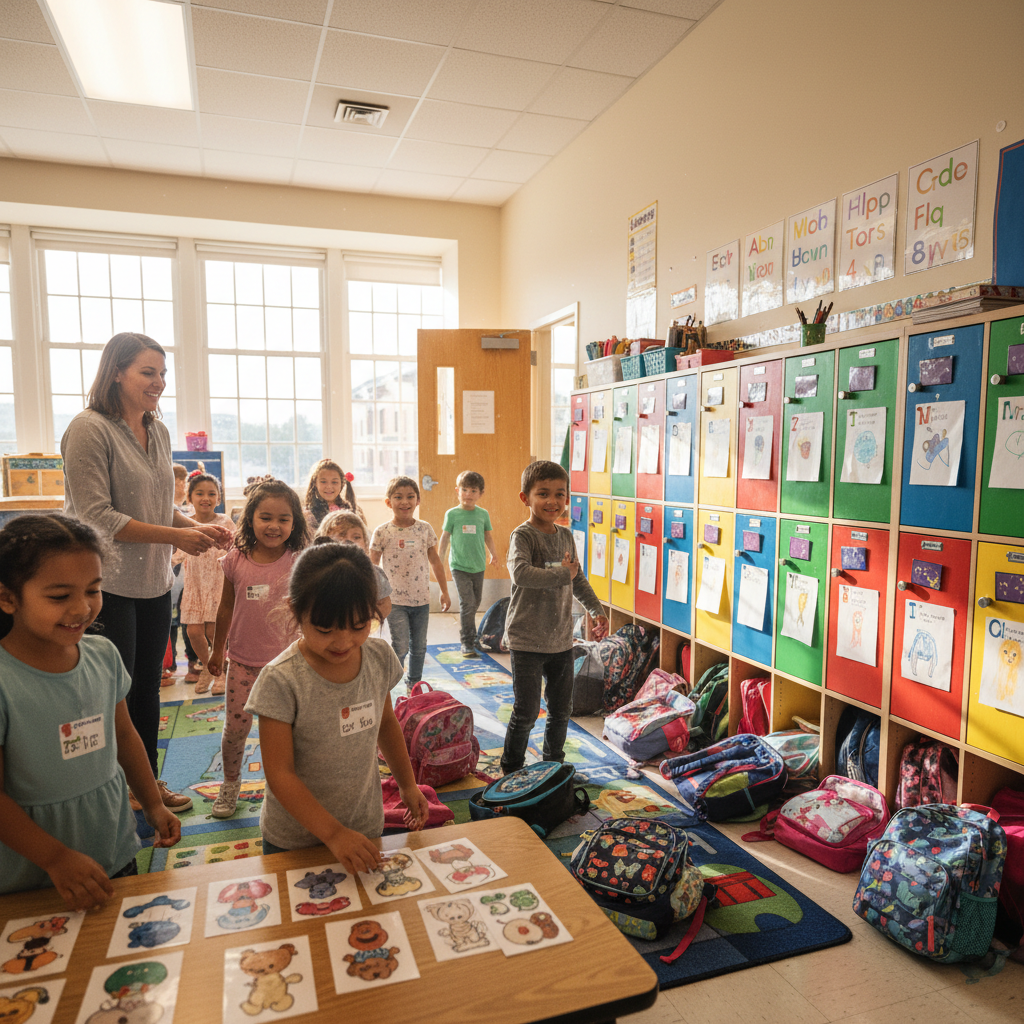
Backpacks down, name tags on. The ritual begins.
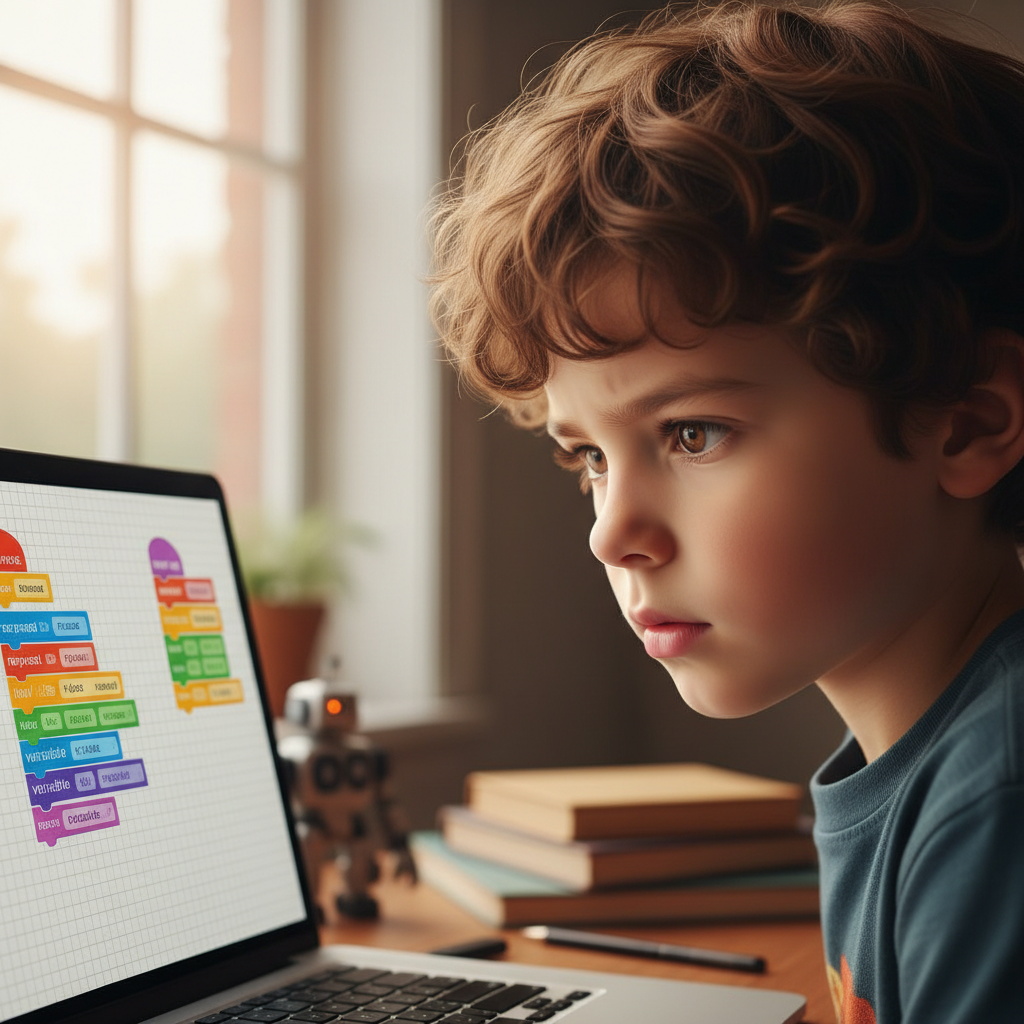
Warm-up challenge: make the cat walk backward. Sounds easy.
"It keeps going off the screen!" — Theo, age 7
Every session, there's a moment where a kid's face completely changes — the "oh, I made that happen" look. You can't manufacture it.
— Priya, Lead Mentor

Partner debugging. Two brains, one stubborn bug.
kids enrolled across our 2025–26 program year
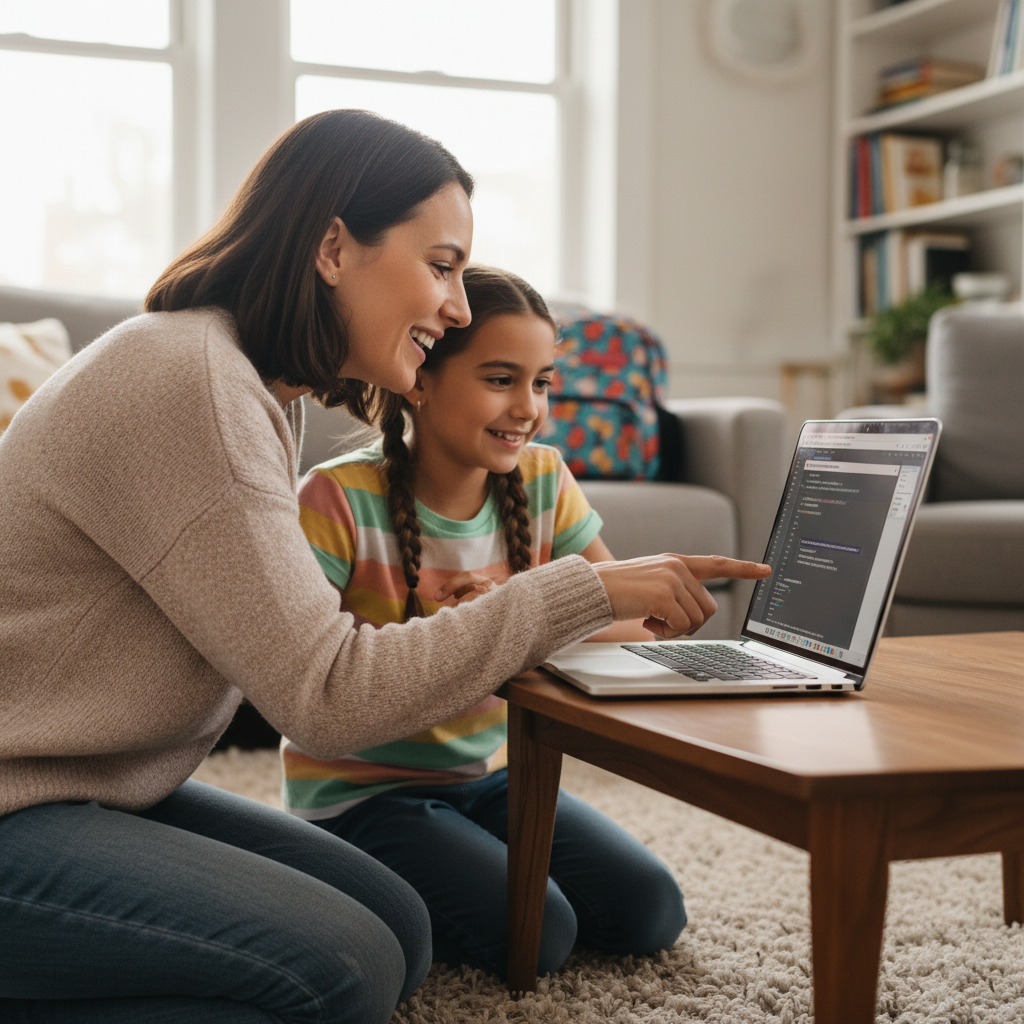
Mentor note: "She found the off-by-one error herself. I just asked the right question."
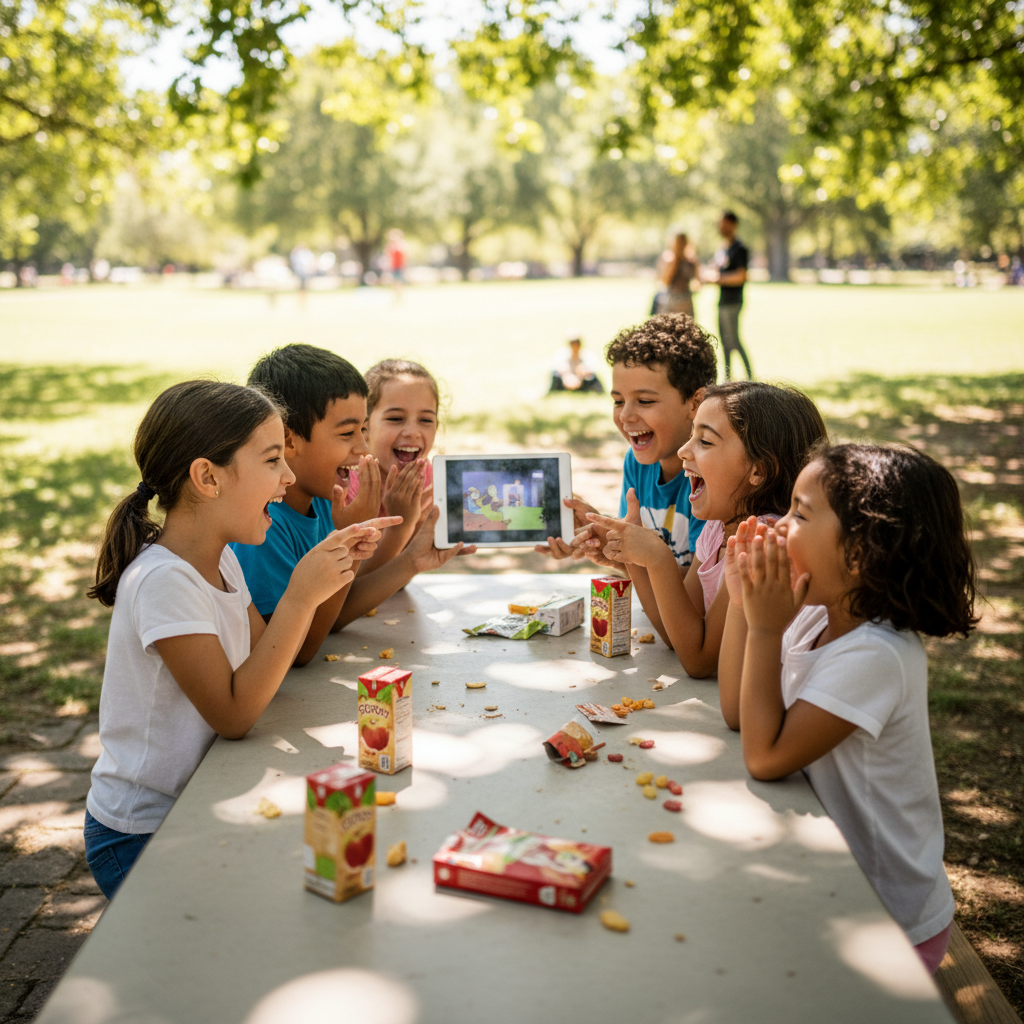
Snack break. Someone's sprite animation is making the whole room laugh.
"It does a little dance when you lose!" — Kenji, age 11
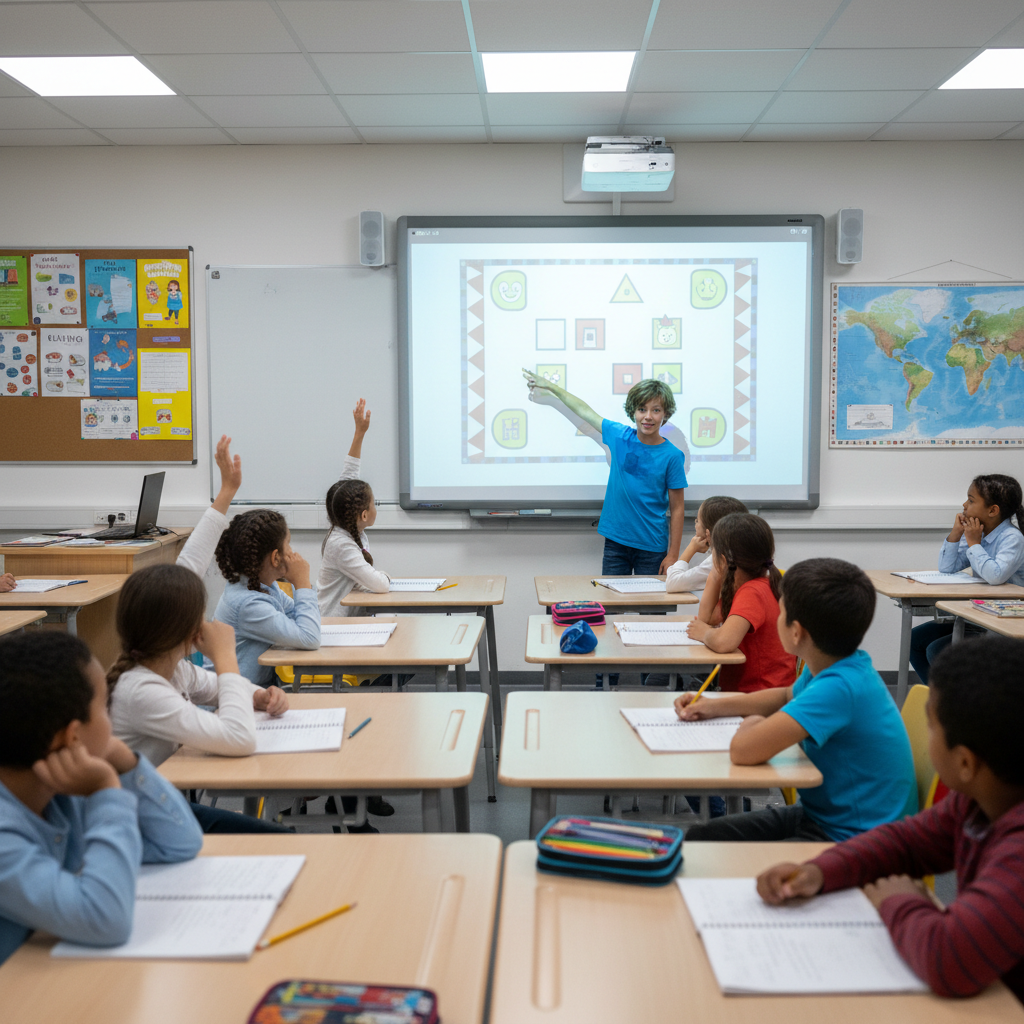
Demo time. Zara presents her maze game. The room goes quiet.
She practiced her demo intro three times during the build block. Nobody asked her to.
— Mentor note, Zara's session
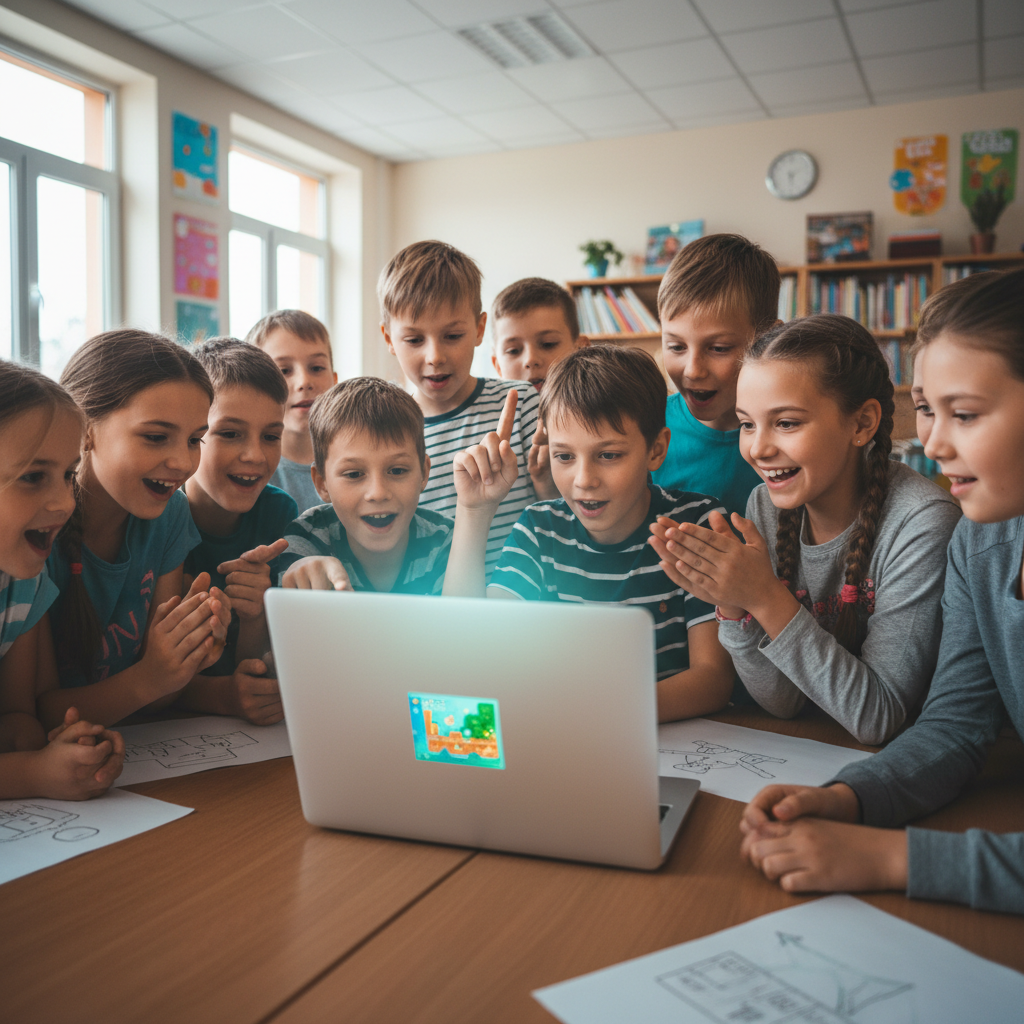
Playtest round. Classmates as first users. Feedback gets real fast.
"The jump button is too small on mobile." — Marcus, age 12, being extremely correct
Find their perfect level.
Every track ends with a real demo. Not a worksheet. Not a quiz. A thing they built — running on a screen, playable by real humans.

Scratch Explorers
First code, first game, first "wait, I made that?"
Visual block coding in Scratch. Kids build animated stories, simple games, and interactive cards — no typing required, all logic.
They ship →
- Animated birthday card
- Chase-the-cat game
- Talking pet simulator
Available
- Saturday Morning 9–11am
- After-School Mon/Wed 3:30–5pm

Python Builders
Real syntax. Real programs. Real pride.
Text-based Python with a game-dev slant. Kids write actual code, debug actual errors, and ship actual projects every four weeks.
They ship →
- Number guessing game
- Quiz app with scoring
- Pixel art generator
Available
- Saturday Morning 9–11am
- After-School Tue/Thu 3:30–5pm
- Summer Camp
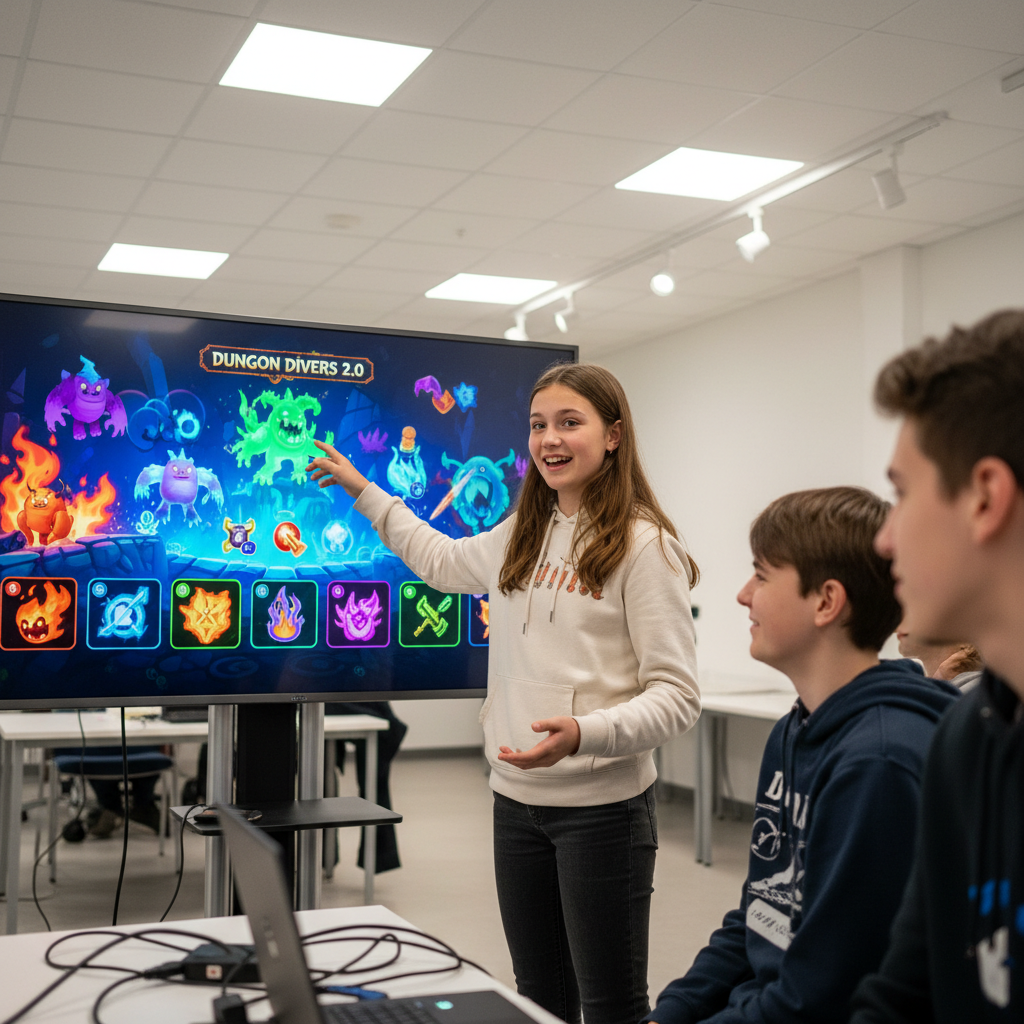
Game Dev Studio
Ship something your friends will actually play.
Pygame and web game fundamentals. Longer sprints, code reviews, and a final showcase where parents play what their kids built.
They ship →
- Platformer with custom physics
- Top-down dungeon crawler
- Multiplayer browser game
Available
- Saturday Morning 10am–12:30pm
- Summer Intensive
Not sure which level? The registration form has a skill-level quiz.
Mentors who speak kid.
Small groups mean every mentor knows every kid by name — their project, their stuck point, and the exact emoji they use when it finally works.

Priya Nair
Lead Mentor · Python & Scratch
“I don't teach kids to code. I find the thing they already want to build, and then we figure out the code together.”
“My daughter asks to do "extra Priya homework." I didn't know that was possible.”
— Deborah M., parent of Amara, age 9

James Okafor
Game Dev Mentor · Pygame & Web
“The 12-year-olds keep me honest. They'll tell you immediately if your explanation is bad. Best feedback I've ever gotten.”
“Marcus built a game that his whole friend group plays. James made him believe that was possible.”
— Kevin T., parent of Marcus, age 12

Sofia Reyes
Scratch & Creative Coding
“Every kid has a story they want to tell. Scratch is just the crayon. My job is making sure they don't run out of paper.”
“Theo used to say he wasn't good at computers. Now he corrects me when I use the wrong word.”
— Rachel W., parent of Theo, age 7
max kids per group
student-to-mentor ratio
DBS-checked mentors
to a finished project
Save their spot.
Groups fill up fast — especially the Saturday morning track. Drop your details and we'll hold a place while you decide.
Saturday spots filling up